Monday, 6 July 2015

A Reference


Albert Renger-Patzsch


Durer


Durer


Bill Brandt


Bill Brandt


Cecil Beaton


Cecil Beaton


Cecil Beaton


Cecil Beaton


Cindy Sherman


Edward Steichen


Edward Steichen


Frank Eugene


Frank Eugene


Henri Le Secq


Henri Le Secq


Jacques Henri Lartigue


Jacques Henri Lartigue


Julia Margaret Cameron


Julia Margaret Cameron


Karl Blossfeldt


Karl Blossfeldt


Mario Giacomelli
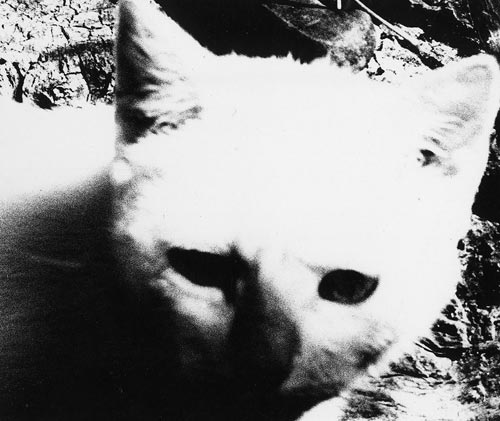


Mario Giacomelli


Masahisa Fukase


Masahisa Fukase


Masahisa Fukase


Masahisa Fukase


Philip Guston


Philip Guston


Robert Doisneau


Robert Doisneau


Robert Frank


Robert Frank
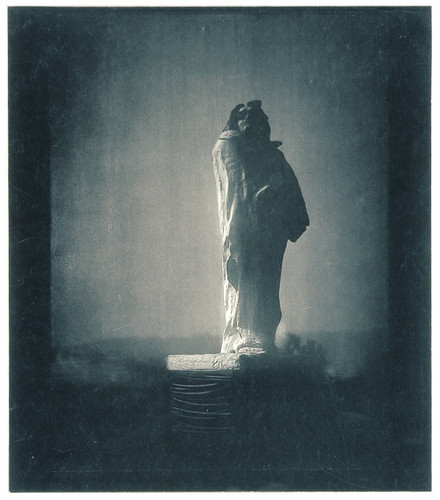


Edward Steichen


Edward Steichen


Thomas Ruff


Thomas Ruff


William Eggleston


William Eggleston
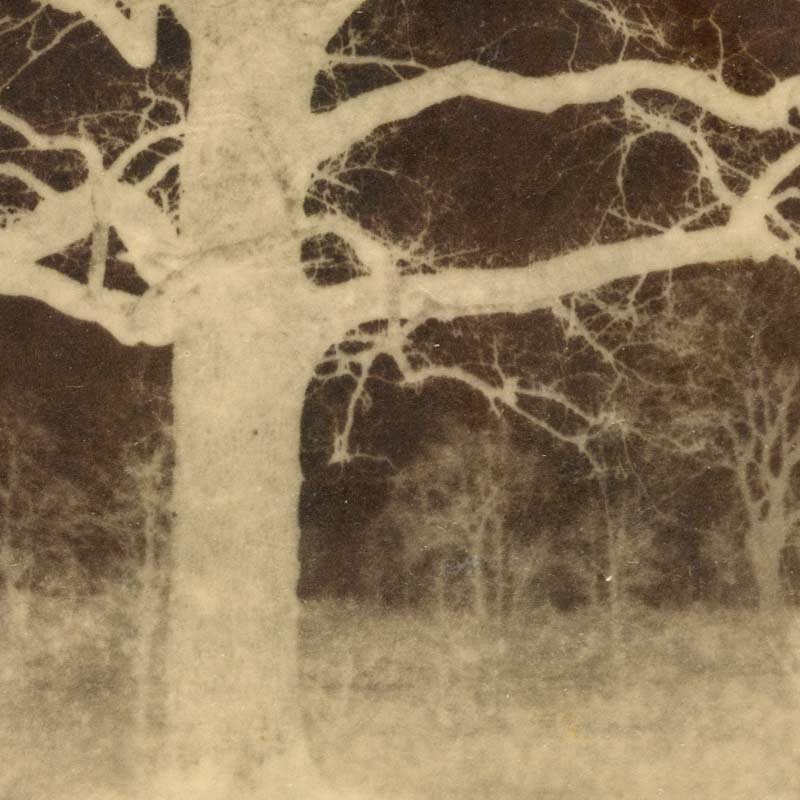


William Fox Talbot


William Fox Talbot


Nicole Page-Smith's early experiences started when showing with American painters in the early 1990's. Among them was Philip Guston. This lead to an exploration of American and European, sculptors and photographers. Working in the medium of sculpture, drawing and photography, Page-Smith does a lot of research. Nicole Page-Smith always finds it great to travel, to view, not only people, Page-Smith discovers in books, magazines, the library, internet usage and newspapers, but artists Page-Smith is not aware of in museums, commercial galleries and foreign bookshops. Every country has different people they are supporting or bringing out of the woodwork, at any one given time, with retrospectives and big museum exhibitions often being a blessing. Nicole Page-Smith lives in a small village, at the end of the South Pacific near the South Pole and this does have its advantages and disadvantages. Nature predominates where museums have too small a budget for many foreign exhibitions. Like many of the countries, Nicole Page-Smith visits, there are discoveries to be made in her own country. New Zealand is predominantly untapped, as there are few people exhibiting internationally and few New Zealand artists books are distributed overseas. Nicole Page-Smith spent the first thirty three years of her life, in Australia, and they suffer the same fate, often appearing too parochial and insular, to the Europeans and Americans. Mostly, well educated Europeans and Americans, with a very big diet for culture, only want to see the best examples a country has to offer, and they are not always the people on display in the public museums and commercial gallery sector. Sometimes in any country, big or small, the best artists are overlooked and it takes talent for rediscovery.
More recently, Nicole Page-Smith has been diligently culture consuming, in her small village town, while writing books and taking photographs. For Nicole Page-Smith, the internet proves a valuable resource. Nicole Page-Smith's photographs reference her drawing of the past forty years, Page-Smith started drawing seriously at the age of seven. The past and the present are also a valuable reference for Page-Smith's photography, and her photography refers to the whole genre of the medium of photography, of the relatively recent past history of photography, spanning one hundred and fifty year or more. Some of what Nicole Page-Smith's recent photography refers to and is inspired by, can be viewed above.




Sunday, 5 July 2015

To Heaven


Nicole Page-Smith, photographer


What do you think are the main differences between the European and the American traditions of photography (or do you think there are any main differences) and to which traditions do you think your work more belongs? Jeffrey Harris


Nicole Page-Smith: European and American traditions of photography came out of a different education. If we think of the early genres of European photography and the beginnings of the history, we would be thinking William Fox Talbot, Anna Atkins and Julia Margaret Cameron from England and their traditional education from The Academy or a Neo revival of Classicism. French photography talks of the sky and the sea. Names represent nature soaring to the sky of the cathedral. A French education includes Gothic architecture. American early twentieth century photography comes mainly from the Camera Works publication and we think of Steiglitz, Steichen and another kind of Romanticism. Classical traditions have always been at the forefront of a book learnt education, including the early classics in literature and an art viewing public would have attended all the traditional museums in New York, full of classical to contemporary view.
My early sculpture viewing days included the main stream of books coming from America and since then traveling has fulfilled the void of a lack of general education from university and beyond. Private learning is always the best and I was told at school that this is the only time you learn. However, there is not a huge selection of reference material available in the bookshops or library, where I live. True is best and the real thing is even better. So, viewing photography exhibitions in the flesh is the best way to view art, books are second choice and then there is everything else. Highlight shows from travel vacation have included Cindy Sherman in London, and more recently Robert Doisneau in Italy. These wonderful exhibitions mixed in with treats from France through to Germany included "The Springtime of the Renaissance" at the Louvre and the Durer exhibition in Frankfurt, make for an enriching experience. It was good to catch up with fellow contemporary, Philip Guston and his late works exhibition. Our traditions, in the Southern Hemisphere, like the Americans and Philip Guston, mainly have photography in the newspaper, although Guston was being inspired by Robert Crumb comics. Many European and American newspapers are also still a good resource for photography exhibitions and accompanying reviews of shows.
So, the differences are about as wide and varied as the technique of photography used and equipment, cameras at hand etc. Early explorers of photography were extremely experimental and this leads us to Surrealist photography. Other early pioneers experimented with drawing on photography and now we have digital photography to redress the same technique with male Japanese photographers being masters at the task. Mostly the genre we are accustom to, with Japanese photography, is of older master photographers. Americans are also masters of colour photography, especially more recently, along with technicolour film. Europeans appear more steeped in the tradition of black and white photography, even to the present day photographers. However, Germans prefer colour photography for contemporary photographers to experiment with, although, current German contemporary photography came out of a well established background of black and white film. Everybody romanticizes about the French. The English are still stuck in the swinging sixties and we are more familiar with Her Majesty, Cecil Beaton or at least his book! I feel, however, my current photography explores the old traditions of early twentieth century French photography. This is a tradition of photography, I have known about since Art School, in the late eighties.


Sunday, 7 June 2015

Cloth


Nicole Page-Smith, 2015


A Journey

Yes, We will sleep together.
We will mix juices
to put out the fire,
arrive at the Poles
from the Equator
without a scar,
with only a handful
of unidentified
ashes.


Janet Frame


String


Nicole Page-Smith, 2015


Before I Get Into Sleep With You

Before I get into sleep with you
I want to have been
into wakefulness, too.


Janet Frame


Saturday, 6 June 2015